
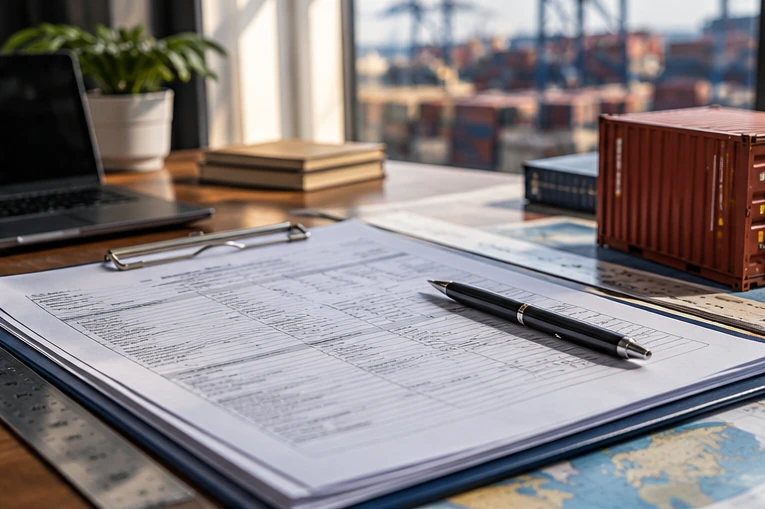
Before the vessel departs, compare the draft against the commercial documents and the intended release method. Errors in consignee or notify-party details can turn a routine arrival into a costly delay.
Purpose of the document
A bill of lading can function as evidence of receipt, evidence of a contract of carriage and, depending on its form, a document of title. Sea waybills and original negotiable bills are handled differently. The document type should match the commercial payment arrangement.
The fields that cause delays
Verify the shipper and consignee, notify party, marks, packages, cargo description, container and seal numbers, gross weight, port of loading, port of discharge and any final delivery instructions. Mismatches with invoice and packing list can delay release or documentary payment.
Original release or electronic alternatives
Whether original documents, surrender/telex arrangements or a sea waybill are used depends on the carrier’s process and the commercial agreement. Obtain confirmation of the release method before the vessel arrives, not after the container is available.
Keep revisions controlled
Changes after loading may incur fees or require approval. Use one designated party to compare the shipping instructions against the commercial documents and approve the draft promptly.
Track the document path before release
A container moving from Singapore to Rotterdam may have a master bill and a separate house bill. Before the vessel arrives, check who needs the original or an agreed release method, who controls the delivery order and whether consignee details match customs paperwork.
This is an illustrative planning example, not a current quotation, legal instruction or promise of transport capacity. Confirm shipment-specific requirements with the responsible carrier, broker or regulator.