
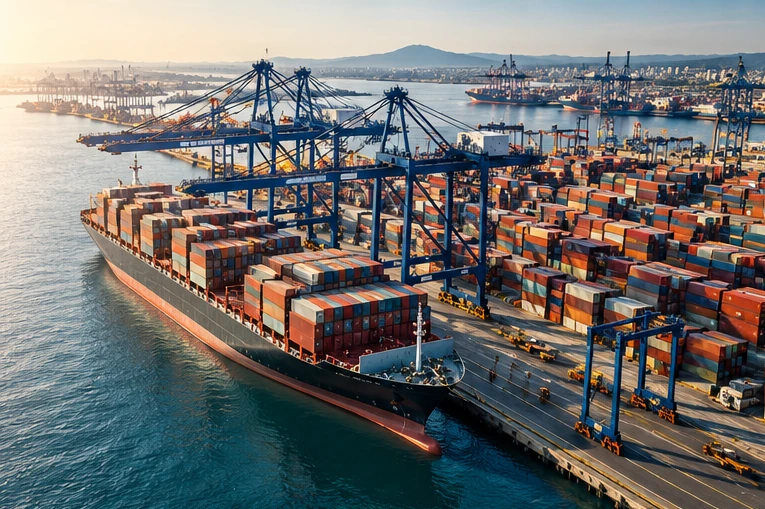
Nigeria cargo quotations have to reflect the actual terminal, importer paperwork and the Lagos-area onward road movement. “Lagos port” can mask different container facilities, gate processes and final-delivery access.
Seaports and air cargo gateways
Lagos and its surrounding industrial markets have heavy terminal and road interfaces; a business in Abuja or Kano requires a completely different inland leg. Confirm which terminal will release the goods and whether the receiving site can handle a loaded container.
Selected sea gateways used for initial planning: Lagos / Apapa (NGAPP). These codes are location references, not proof of a particular vessel call or a terminal booking. Airports worth checking for a relevant cargo schedule include LOS (IATA). Confirm live service, terminal, restrictions and airport cargo facilities before booking.
Where the cargo actually needs to go
Manufacturing inputs, construction items and packaged retail stock can each face different product controls. Clarify whether imported machinery or regulated products require certification rather than promising immediate customs release.
Inland-delivery detail that belongs on the booking instruction: Validate importer documentation, Form M and assessment requirements with broker, terminal release conditions, industrial zone delivery address and any product approvals. A port or airport name alone is not an adequate delivery address; include the consignee's receiving rules in the first quote request.
Choosing sea, air, road or intermodal
Sea freight is common for regular import stock, while Lagos air cargo may be considered for urgent equipment and permissible high-value items. Inland delivery, customs storage and documentation are distinct line items.
Importer documentation that is incomplete before arrival can lead to storage and release delays. Address transport security and vehicle suitability as part of the delivery quotation, especially outside the major city area.
Customs responsibility and documents
Nigeria Customs publishes guidance on import procedures including Form M, PAAR and declarations. Digital platforms and procedures evolve, so the importer or broker should confirm the current filing environment and any standards approvals.
Agree in writing who is the importer/exporter of record, who prepares declarations, and who pays duties, handling and destination fees. Commodity classification, origin and any required licence must be checked against current official instructions; this guide does not provide a customs decision.
A practical route-planning example
A container for a Lagos warehouse may involve Apapa terminal release plus a relatively short but operationally demanding truck move. A comparable shipment destined for Abuja needs a separately planned long inland journey and site-delivery instructions.
Make the rate comparison consistent: same packed goods, same origin and delivery point, same Incoterms® rule, same expected delivery condition and a clear list of excluded charges. Published transit times and prices have intentionally not been guessed here.
Official references and editorial checks
Reference details were reviewed for this editorial update on 25 October 2026. Authority rules, terminal services, code assignments and import restrictions can change. Check the official source and your appointed broker or carrier before a shipment is tendered.
Related tools and next reading
For a Nigeria shipment, use the appropriate mode guide and calculator to prepare dimensions before approaching a provider. These links help with planning; they do not represent live capacity or an approved booking.